
Blog


Community & Social
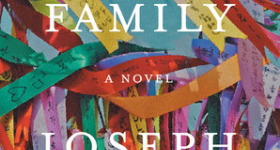

Gish Jen's Thank You, Mr. Nixon (Knopf, Feb. 1, 2022) is abundant with insights on China-America issues from the ’70s to the present

Those who knew Corky Lee offer tribute to and memories of the beloved photographer
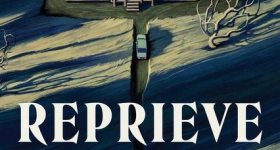
A Profile of James Mattson, Author of Reprieve, about the journey of four people through a full-contact haunt and the catastrophic result that ensues
Arts & Culture

An Interview with Jimin Han about Dreamt I Found You--
Jimin Han on why love stories can be subversive political acts of protest

Hyphen is featured in an exhibit about Asian American periodicals at MOCA through March 2025. To celebrate we're re-releasing Hyphen merch.

Kim Liao talks about her new book which chronicles her grandfather's role in the Taiwan Independence Movement

News & Politics
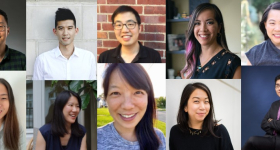
Ten Taiwanese American thinkers, writers and journalists discuss representation, identity, coalition building and responsible media coverage that they hope to see

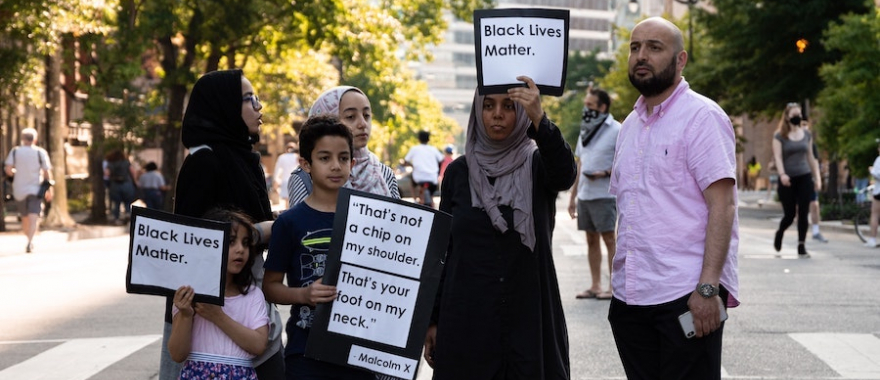
A resource list for the Asian American community to do our part in dismantling anti-Black racism.

From meal services to infosheets and masks, organizations are stepping up to help Koreatown's OG residents
A message and list of resources courtesy of our network organization, AACRE
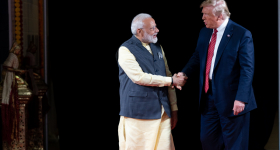
The roots of Indian America's conservative politics — and how other Indian diasporas may point to possible alternatives.

Lynn, Massachusetts is home to the third-largest Cambodian American population in the country. 28-year old Cinda Danh could become their first Asian American city councilor.

"I often wonder what King Kalākaua would think of today ... How would he understand the observatories, set to study the heavens at the cost of the gods?" Contributor Madelyn McKeague walks us through the history that led to today's fight to protect the sacred site.
More Recent Posts
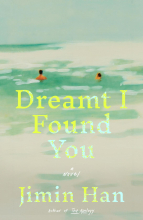
An Interview with Jimin Han about Dreamt I Found You--
Jimin Han on why love stories can be subversive political acts of protest
Kim Liao - May 6, 2026

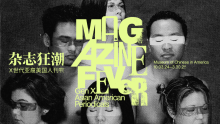
Hyphen is featured in an exhibit about Asian American periodicals at MOCA through March 2025. To celebrate we're re-releasing Hyphen merch.
Hyphen Staff - September 28, 2024
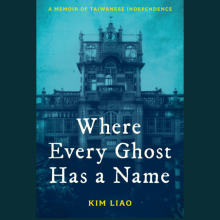
Kim Liao talks about her new book which chronicles her grandfather's role in the Taiwan Independence Movement
Anne Hellman - September 13, 2024
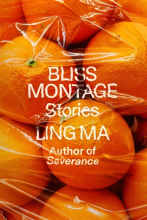
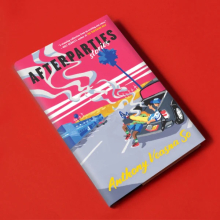
A Retrospective Review of Anthony Veasna So's Afterparties
Joyce Chen - November 3, 2022

Justine Wang - October 2, 2022
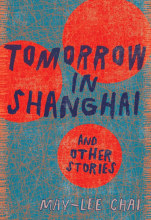
A Profile of May-Lee Chai, Author of Tomorrow in Shanghai
Evelyn NienMing Chien - September 16, 2022
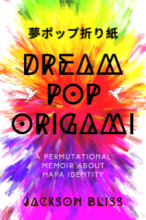
Jackson Bliss - August 18, 2022